From Nigel's Kitchen Table
Oven Temperature Conversions: Celsius, Fahrenheit, Fan and Gas Mark
Oven Temperature Conversions: Celsius, Fahrenheit, Fan and Gas Mark
Navigate the recipe
On this page
The recipe, step by step
Have you ever found the perfect recipe only to discover that the oven temperature is written in a measurement you do not normally use?
British and European recipes usually give temperatures in Celsius, while many American recipes use Fahrenheit. Older British recipes may use gas marks, and modern recipes often provide a separate temperature for fan-assisted ovens.
The conversions themselves are straightforward, but choosing the correct setting is important. A small difference in temperature can affect how quickly a cake rises, how evenly biscuits colour and whether bread develops a crisp crust.
This guide will help you convert oven temperatures confidently and understand how the different oven settings behave.
What you’ll learn
- How to convert Celsius to Fahrenheit
- How to adjust temperatures for a fan oven
- What gas marks mean
- Why oven temperatures are not always accurate
- How to get more consistent baking results
Oven temperature conversion chart
The chart below gives the most commonly used conversions. Fan temperatures are generally around 20°C lower than conventional oven temperatures, although individual ovens and recipes can vary.
| Conventional oven °C | Fan oven °C | Fahrenheit °F | Gas mark |
|---|---|---|---|
| 110°C | 90°C | 230°F | ¼ |
| 120°C | 100°C | 250°F | ½ |
| 140°C | 120°C | 275°F | 1 |
| 150°C | 130°C | 300°F | 2 |
| 160°C | 140°C | 320°F | 3 |
| 180°C | 160°C | 350°F | 4 |
| 190°C | 170°C | 375°F | 5 |
| 200°C | 180°C | 400°F | 6 |
| 220°C | 200°C | 425°F | 7 |
| 230°C | 210°C | 450°F | 8 |
| 240°C | 220°C | 475°F | 9 |
These figures are practical cooking conversions rather than exact mathematical equivalents. For example, 180°C converts precisely to 356°F, but recipes normally round this to 350°F.
Celsius to Fahrenheit
To convert Celsius to Fahrenheit mathematically:
Multiply the Celsius temperature by 9, divide by 5 and add 32.
For example:
180 × 9 ÷ 5 + 32 = 356°F
For cooking purposes, this would normally be rounded to 350°F.
To convert Fahrenheit to Celsius:
Subtract 32, multiply by 5 and divide by 9.
For example:
350 − 32 × 5 ÷ 9 = approximately 177°C
This would normally be rounded to 180°C.
You rarely need to calculate the temperature precisely when baking. Using the standard rounded values in the conversion chart is usually easier.
Conventional ovens
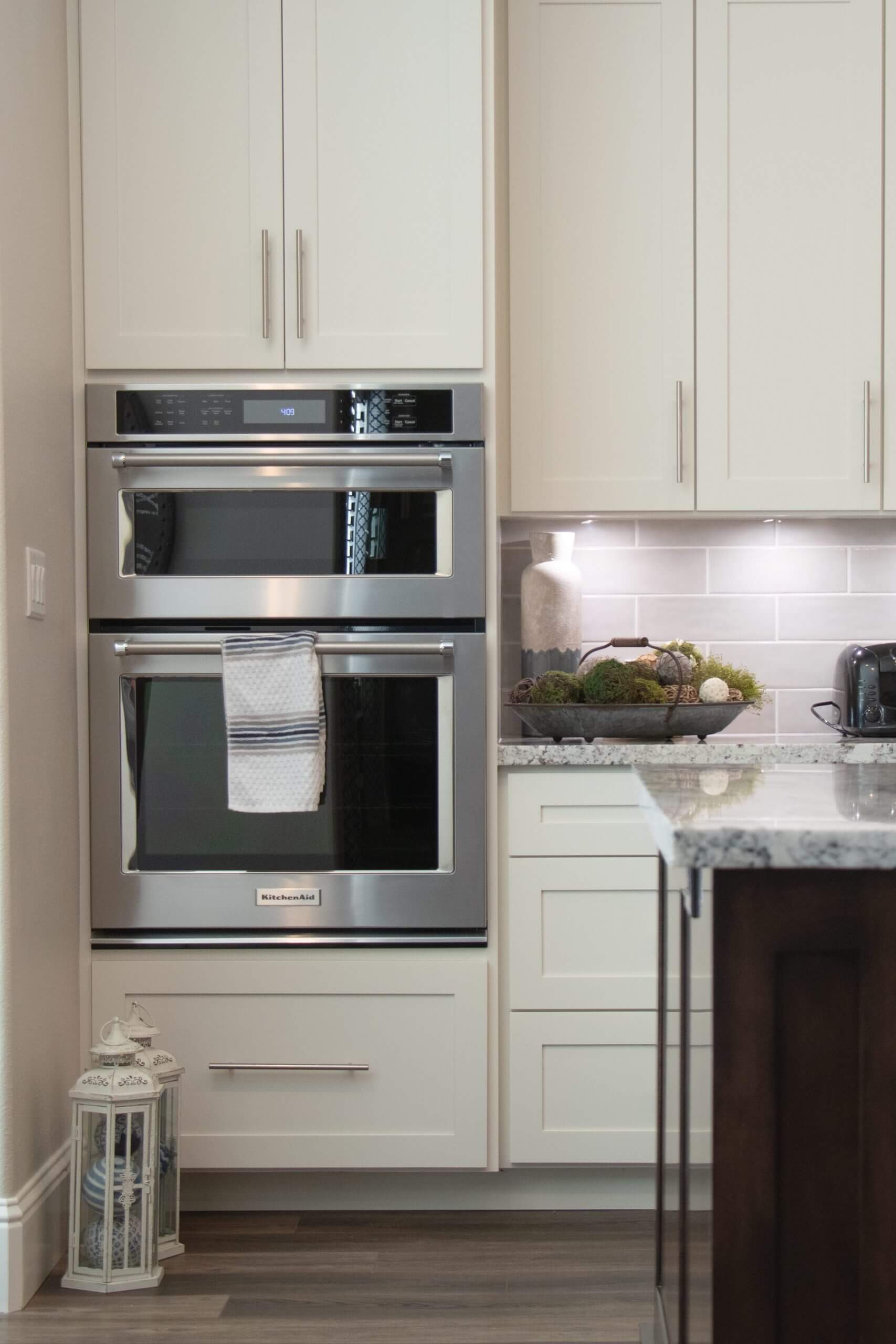
A conventional oven uses heating elements at the top and bottom of the oven.
Because the hot air is not actively circulated, different parts of the oven may cook at slightly different rates. The upper part is often hotter, while the lower part may provide stronger heat from underneath.
For most cakes, biscuits and pastries, place the shelf near the centre of the oven unless the recipe tells you otherwise.
Fan-assisted ovens
A fan-assisted or convection oven circulates hot air around the food. This generally produces faster and more even cooking than a conventional oven.
As a common rule, reduce a conventional oven temperature by approximately 20°C when using a fan oven. For example:
- 180°C conventional becomes approximately 160°C fan.
- 200°C conventional becomes approximately 180°C fan.
- 220°C conventional becomes approximately 200°C fan.
However, always follow the temperature stated in the recipe when it gives a specific fan setting. Some ovens circulate heat more strongly than others, and your appliance manual may recommend a different adjustment.
What are gas marks?
Gas marks are a traditional British temperature scale used on gas ovens.
Rather than selecting a precise temperature, the oven dial is numbered from approximately ¼ to 9. A low gas mark represents a cool oven, while a high number represents a hot oven.
The most frequently used setting is Gas Mark 4, which is equivalent to approximately:
- 180°C conventional
- 160°C fan
- 350°F
Gas ovens can have stronger heat at the bottom, so cakes and delicate bakes may benefit from being placed on the middle or upper-middle shelf.
What do cool, moderate and hot oven temperatures mean?
Older cookbooks sometimes describe the oven simply as cool, moderate or hot.
Very cool oven
Approximately:
- 110–120°C conventional
- 90–100°C fan
- 230–250°F
This range is suitable for slow drying, meringues and very gentle cooking.
Cool oven
Approximately:
- 140–150°C conventional
- 120–130°C fan
- 275–300°F
Often used for slow baking and recipes that require gentle heat.
Moderate oven
Approximately:
- 160–180°C conventional
- 140–160°C fan
- 320–350°F
This is the most common range for cakes, biscuits, pastries and everyday baking.
Moderately hot oven
Approximately:
- 190–200°C conventional
- 170–180°C fan
- 375–400°F
Useful for bread, pastry and dishes that need stronger browning.
Hot oven
Approximately:
- 220–240°C conventional
- 200–220°C fan
- 425–475°F
Commonly used for pizza, crusty bread and foods requiring rapid cooking or strong initial heat.
Why your oven may not match its setting
The temperature shown on an oven dial or digital display is not necessarily the exact temperature inside the oven.
Ovens cycle their heating elements on and off, causing the internal temperature to rise and fall. They may also run hotter or cooler than their selected setting, and the temperature can vary between different areas of the oven.
An independent oven thermometer can help you understand how accurately your oven is heating. Oven temperature errors can noticeably affect the texture, browning and baking time of cakes and other baked goods.
Nigel’s Kitchen Tip
Place an oven thermometer near the centre of the shelf where you usually bake. Check it after the oven has been heating for at least 20 minutes rather than relying entirely on the preheat signal.
Always preheat the oven
Most cakes, pastries, biscuits and breads should be placed into an oven that has reached the required temperature.
Putting them into an oven that is still warming may cause:
- Cakes to rise unevenly
- Butter to melt before biscuits set
- Pastry to become greasy
- Bread to develop a weak crust
- Baking times to become unreliable
Some ovens announce that they are ready before the whole oven cavity has stabilised. Allowing an additional 10–15 minutes after the preheat signal can give more consistent results, particularly when baking bread or using a baking stone.
Choosing the correct oven shelf
Unless the recipe states otherwise, the middle shelf is the safest position for most baking.
Use the position of the food—not simply the position of the shelf—as your guide. The centre of the cake or tray should ideally sit near the centre of the oven.
Upper shelf
Useful when you want stronger browning on top, but delicate foods may colour too quickly.
Middle shelf
Best for most cakes, biscuits, pastries and bread.
Lower shelf
Useful when stronger bottom heat is required, although cake bases and pastry can burn if placed too low.
Should I rotate the baking tray?
Ovens often have warmer and cooler areas. Rotating a tray halfway through baking can help biscuits, bread rolls and pastries colour more evenly.
Avoid opening the door during the early stages of baking delicate cakes, soufflés or choux pastry. A sudden loss of heat before the structure has set may cause them to collapse.
For biscuits and sturdy traybakes, rotating the tray after the halfway point is usually safe. Turning pans front to back can help compensate for oven hot spots.
Common oven-temperature mistakes
Confusing conventional and fan temperatures
Setting a fan oven to the conventional temperature can make food cook and brown too quickly.
Check whether the recipe gives:
- Conventional Celsius
- Fan Celsius
- Fahrenheit
- Gas mark
Not allowing the oven to preheat
Starting in a cool oven can change the rise, texture and cooking time of baked goods.
Trusting the display completely
Your oven may run hotter or cooler than the chosen temperature. An oven thermometer is the easiest way to check.
Opening the door repeatedly
Each time the door is opened, heat escapes. Check through the glass whenever possible.
Using the wrong shelf
Placing a cake too high can brown the top before the centre is cooked. Placing it too low can overcook the base.
Changing both time and temperature
When adapting a recipe, change one factor at a time. Reducing the temperature and shortening the cooking time simultaneously makes the result difficult to predict.
Frequently asked questions
What is 180°C in Fahrenheit?
180°C is mathematically equal to 356°F, but recipes normally round it to 350°F.
It is also equivalent to approximately:
- 160°C fan
- Gas Mark 4
What is 350°F in Celsius?
350°F is approximately 180°C conventional or 160°C fan.
What is 200°C in a fan oven?
A conventional temperature of 200°C is generally reduced to approximately 180°C fan.
What is Gas Mark 4?
Gas Mark 4 is approximately:
- 180°C conventional
- 160°C fan
- 350°F
Do fan ovens cook food more quickly?
They often do because the fan circulates hot air around the food. Recipes generally compensate by using a lower temperature, a shorter cooking time or both.
Begin checking the food slightly before the stated time, particularly when using a recipe that does not provide a separate fan setting.
Why does my cake cook faster on one side?
Your oven may have a hot spot, or the shelf may not be level. Check the temperature with an oven thermometer and rotate sturdy bakes after the structure has set.
Can I bake two trays at the same time?
A fan oven usually handles multiple shelves better than a conventional oven because the air circulates.
Leave space around each tray and swap their positions during baking when necessary. Cakes and delicate bakes are generally more reliable when baked one shelf at a time.
Put it into practice
- Classic Chocolate Chip Cookies
- Apple Buttermilk Cake
- Chocolate Mirror Cake
- Pastel de Nata
- Traditional Hot Cross Buns
Continue learning
Join Nigel’s Kitchen Table
Dependable recipes, practical kitchen knowledge and seasonal inspiration.
Join Nigel’s Kitchen Table for new recipes, helpful Kitchen Notes and seasonal ideas delivered directly to your inbox.
Unsubscribe at any time. Your details will never be shared.
Keep cooking
You may also like
 Kitchen note
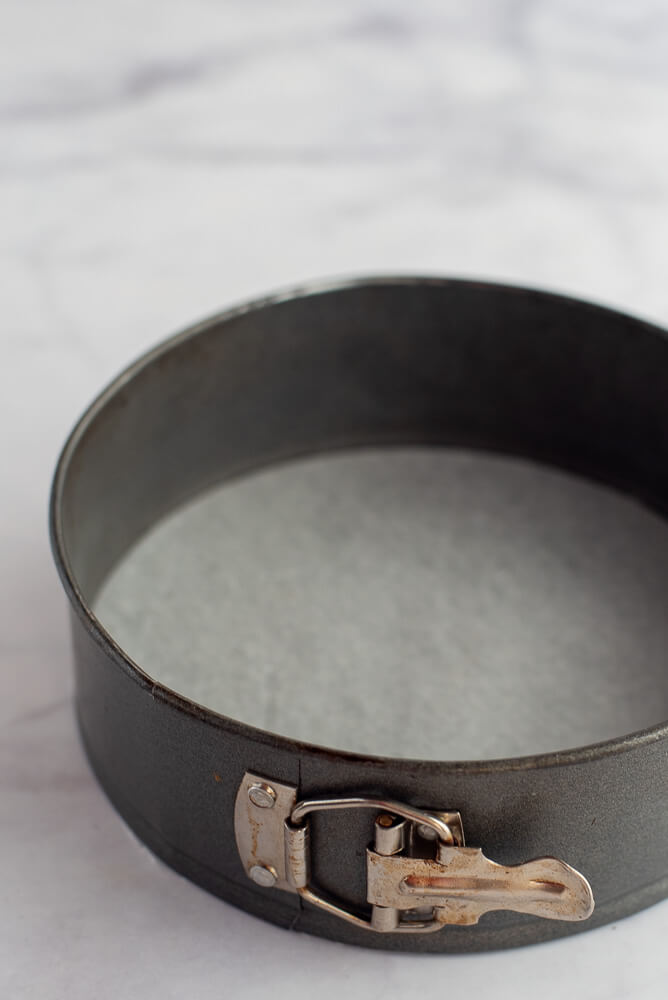
How to Line a Springform Pan
This quick method makes lining a springform pan easy, with no tracing or carefully cutting a paper circle to fit…
Read the note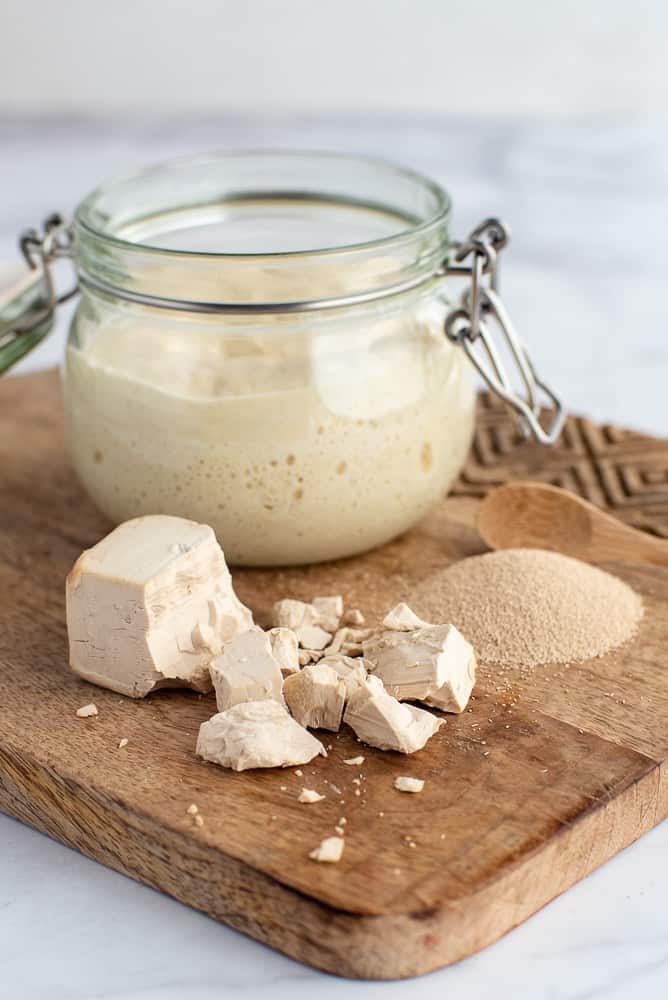 Kitchen note
Fresh Yeast vs Dry Yeast: What’s the Difference?
Fresh, active dry or instant yeast? This simple guide explains how each type works, how to substitute one for another…
Read the note
Around the table
Questions and kitchen notes
Share how the recipe went, ask a question or leave a useful tip for the next person making it.