
From Nigel's Kitchen Table
Fresh Yeast vs Dry Yeast: What’s the Difference?
Fresh, active dry or instant yeast? This simple guide explains how each type works, how to substitute one for another and which is best for your bake.
Navigate the recipe
On this page
The recipe, step by step
Fresh yeast, active dry yeast and instant yeast can all make beautifully risen bread, but understanding the differences between them makes baking much more reliable.
Perhaps you have opened a recipe that calls for fresh yeast when all you have is a packet of dried yeast. Or you have stood in the baking aisle wondering whether active dry and instant yeast are really the same thing.
The good news is that they all perform the same essential job. The main differences are how they are processed, how quickly they begin working and how they should be added to the dough.
In this guide, I will explain how each type works, how to substitute one for another and which yeast I prefer to use in my own kitchen.
What you’ll learn
- The difference between fresh, active dry and instant yeast
- How to substitute one type for another
- Whether dried yeast needs to be activated
- How salt and temperature affect yeast
- Which type is best for home baking
What does yeast do in bread?
Baker’s yeast is a living microorganism called Saccharomyces cerevisiae. When added to dough, it consumes available sugars and produces carbon dioxide.
The elastic gluten structure traps this gas inside the dough, creating the bubbles that make bread rise. Fermentation also contributes to the flavour and aroma of the finished loaf.
The amount of time this process takes depends on several factors, including the type and quantity of yeast, the temperature of the dough and the other ingredients in the recipe.
The three main types of baker’s yeast
Fresh yeast
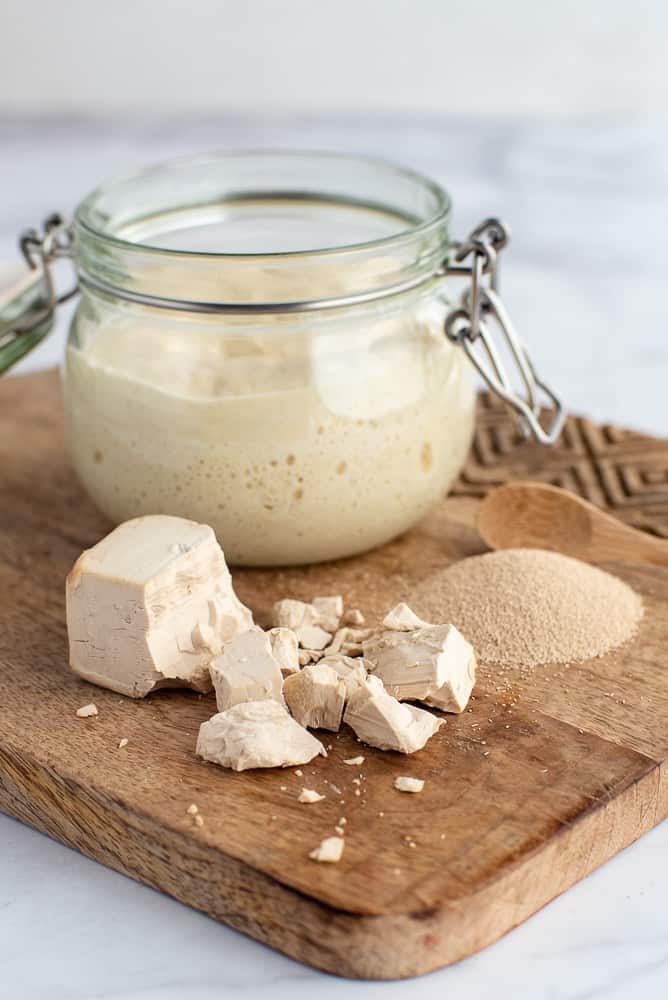
Fresh yeast is also known as compressed yeast, cake yeast or wet yeast. It has a soft, crumbly texture, a pale beige colour and a relatively high moisture content.
It can be crumbled into the flour or dissolved in lukewarm liquid before being added to the dough. It must be refrigerated and has a considerably shorter shelf life than dried yeast.
Fresh yeast is commonly available where I live, so I often use it for bread, brioche and other enriched doughs. It is lovely to work with, but it is not essential for making excellent bread.
Active dry yeast
Active dry yeast is dried into granules and has a much longer shelf life than fresh yeast. It generally begins working a little more slowly than instant yeast, although it catches up during a longer rise.
Traditional instructions tell you to dissolve active dry yeast in warm liquid before adding it to the flour. Some modern active dry yeasts can now be mixed directly into the dough, so always check the instructions on your particular packet.
Instant yeast
Instant yeast is dried into finer granules, allowing it to absorb moisture and begin working more quickly. It can normally be mixed straight into the flour without being activated first.
It is convenient, dependable and easy to store, making it a very good choice for everyday home baking.
You may also see instant yeast sold as:
- Fast-action yeast
- Quick-rise yeast
- Rapid-rise yeast
- Bread-machine yeast
Some of these products are formulated to work especially quickly, so follow the instructions on the packet and judge the dough by how much it has risen rather than relying only on the suggested time.
Which type of yeast is best?
For most home baking, there is no need to worry too much about choosing the “best” yeast. Fresh, active dry and instant yeast can all produce excellent results when used correctly.
I enjoy using fresh yeast because it is easy for me to find and pleasant to work with. However, I also keep instant yeast available because it lasts longer and can be added directly to the flour.
For a beginner, I would recommend instant yeast. It is convenient, widely available and reliable in almost every type of yeasted dough.
Fresh yeast and dry yeast conversion chart
As a practical guide, use approximately one-third of the stated fresh-yeast weight when replacing it with instant yeast. Active dry yeast is usually used at approximately 40% of the fresh-yeast weight.
| Fresh yeast | Instant yeast | Active dry yeast |
|---|---|---|
| 30g | 10g | 12g |
| 21g | 7g | 8g |
| 15g | 5g | 6g |
| 9g | 3g | 4g |
Conversions can vary slightly between manufacturers. Some brands allow active dry and instant yeast to be substituted in equal quantities, while others recommend using approximately 25% more active dry yeast. Check the packet when possible.
How much yeast should I use?
Use the amount specified in a tested recipe rather than assuming that more yeast will produce better bread.
A larger quantity usually makes the dough rise faster, while a smaller quantity requires more time. A slower fermentation can be useful when you want to develop more flavour or leave the dough to rise overnight.
The dough itself is always the best guide. Rise times are estimates because the temperature of your kitchen, the temperature of the ingredients and the richness of the dough can all affect fermentation.
Does salt kill yeast?
Salt does not instantly kill yeast when the ingredients touch during normal mixing.
Salt regulates fermentation by slowing yeast activity, which is one reason it is important in bread dough. A concentrated pile of salt left directly against fresh yeast for an extended period may reduce its activity, but briefly combining them while mixing will not ruin your bread.
To be safe, distribute the salt through the flour rather than placing fresh yeast directly on top of it and leaving it there.
Nigel’s Kitchen Tip
Do not rush to add more yeast when a dough rises slowly. Move it somewhere comfortably warm and give it more time. Bread dough follows temperature and development—not the clock.
Common yeast mistakes
Using liquid that is too hot
Very hot liquid can damage or kill yeast. Follow the temperature guidance provided by the yeast manufacturer, particularly when activating active dry yeast.
The liquid should generally feel pleasantly warm rather than hot. Different yeast products can require different temperatures, so the packet instructions should take priority.
Following the rise time too strictly
A recipe might suggest one hour, but your dough may need more or less time. Look for the physical change described in the recipe—such as doubling in volume—rather than moving to the next step simply because the stated time has passed.
Using old yeast
Dried yeast gradually loses activity during storage. If an opened packet has been sitting in the cupboard for a long time, test it or replace it before committing to a large batch of dough.
Adding excessive yeast
More yeast can make dough ferment too quickly and become difficult to manage. Measure it carefully and allow enough time for the dough to develop.
Confusing instant yeast with baking powder
Yeast is a living fermenting organism used primarily for breads and enriched doughs. Baking powder is a chemical raising agent generally used in cakes, scones and quick breads. They cannot be substituted for each other.
Frequently asked questions
Can I replace fresh yeast with instant yeast?
Yes. Divide the fresh-yeast quantity by approximately three.
For example:
- 30g fresh yeast becomes approximately 10g instant yeast.
- 15g fresh yeast becomes approximately 5g instant yeast.
- 9g fresh yeast becomes approximately 3g instant yeast.
Can I replace instant yeast with fresh yeast?
Yes. Multiply the instant-yeast quantity by approximately three.
For example, 7g of instant yeast can be replaced with approximately 21g of fresh yeast.
Does instant yeast need to be activated first?
No. Instant yeast can normally be mixed directly into the flour.
Does active dry yeast need to be activated?
That depends on the product. Many manufacturers still instruct bakers to dissolve active dry yeast in warm liquid, while some modern varieties can be added directly to the flour. Follow the directions on the packet.
Why hasn’t my dough risen?
The yeast may be old, the dough may be too cold or the liquid may have been too hot. It may also simply need more time.
Move the covered dough to a comfortably warm place and continue checking it. If there is still no visible change after an extended period, the yeast may no longer be active.
Can I use less yeast than the recipe states?
Often, yes, provided you allow the dough more time to ferment. This works particularly well for long or overnight rises. However, begin with the tested amount when making a recipe for the first time.
Put it into practice
Your Naan Bread and English Muffins posts already direct readers to the existing yeast guide, so retaining its URL protects those internal links.
Continue learning
Join Nigel’s Kitchen Table
Good food starts with understanding the little details.
Join Nigel’s Kitchen Table for dependable recipes, practical kitchen knowledge and inspiration delivered directly to your inbox.
Keep cooking
You may also like
 Kitchen note
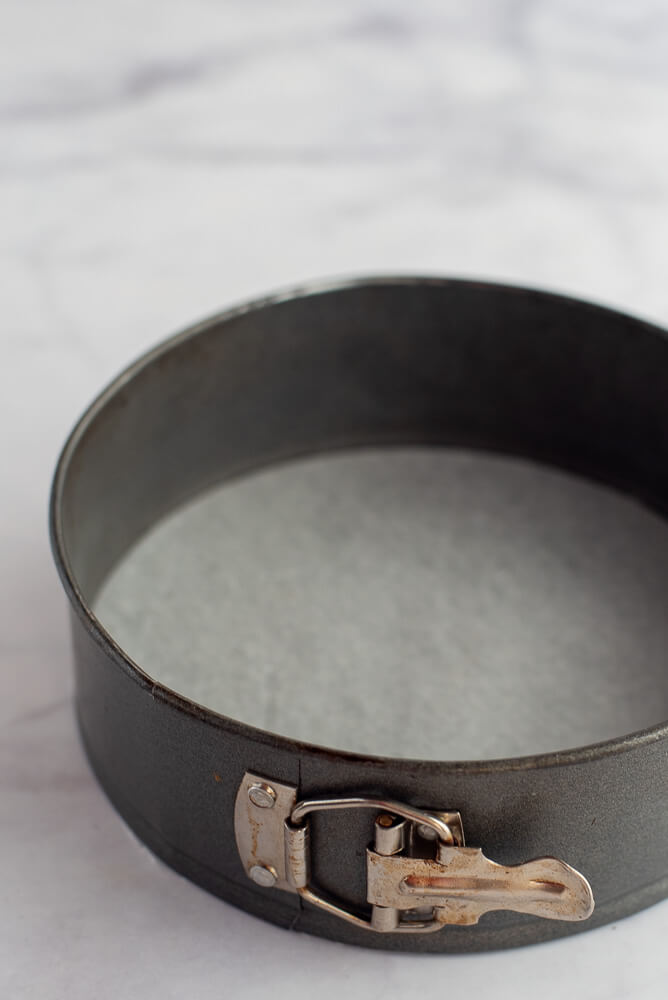
Lining A Springform Pan
Discover a quick and practical way to line a springform pan without tracing and carefully cutting the baking paper to…
Read the note Kitchen note
Oven Temperatures
Use this simple oven-temperature guide to convert recipes between Celsius, Fahrenheit, fan-assisted ovens and gas marks with confidence.
Read the note
Around the table
Questions and kitchen notes
Share how the recipe went, ask a question or leave a useful tip for the next person making it.